Objectives
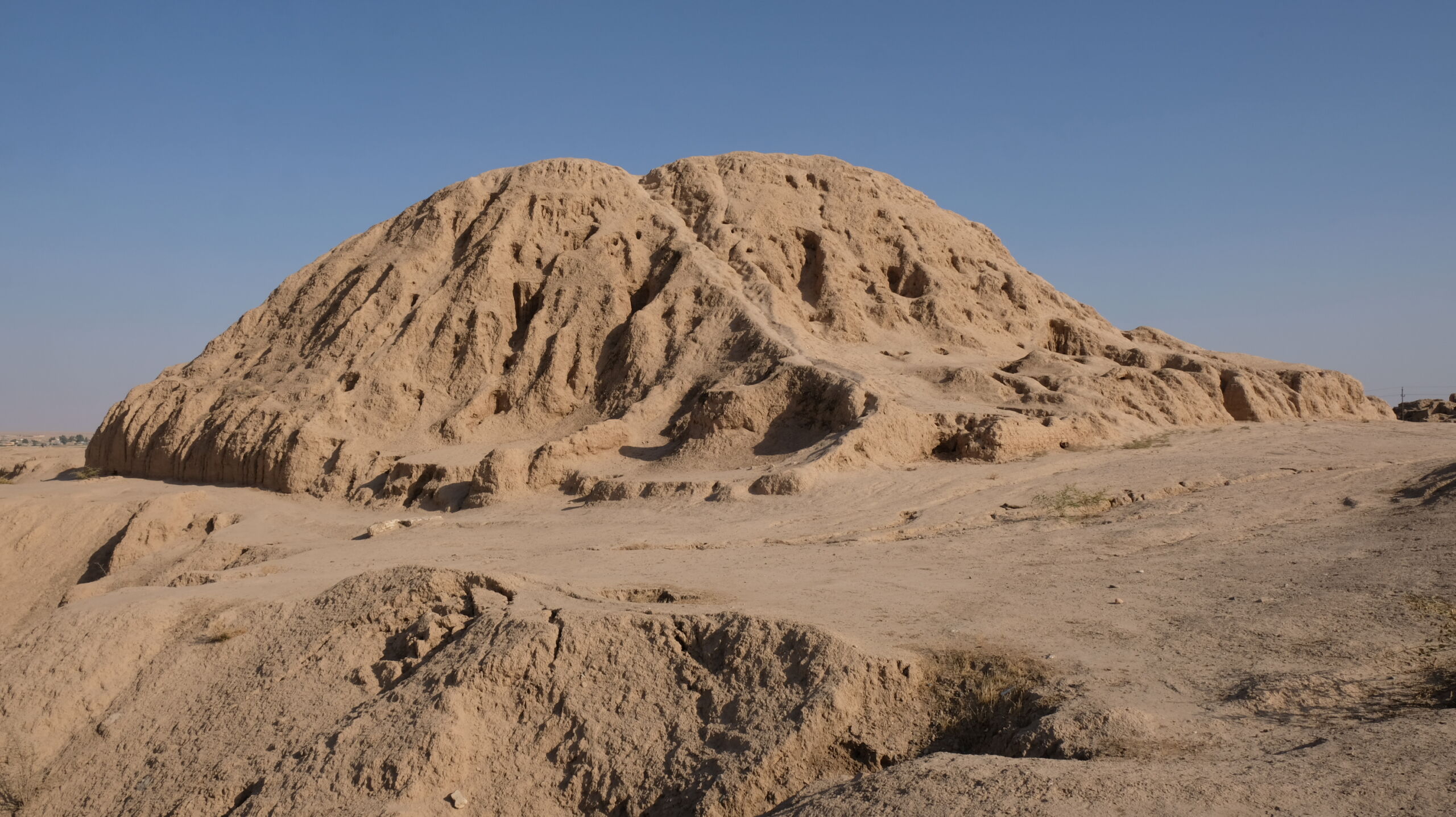
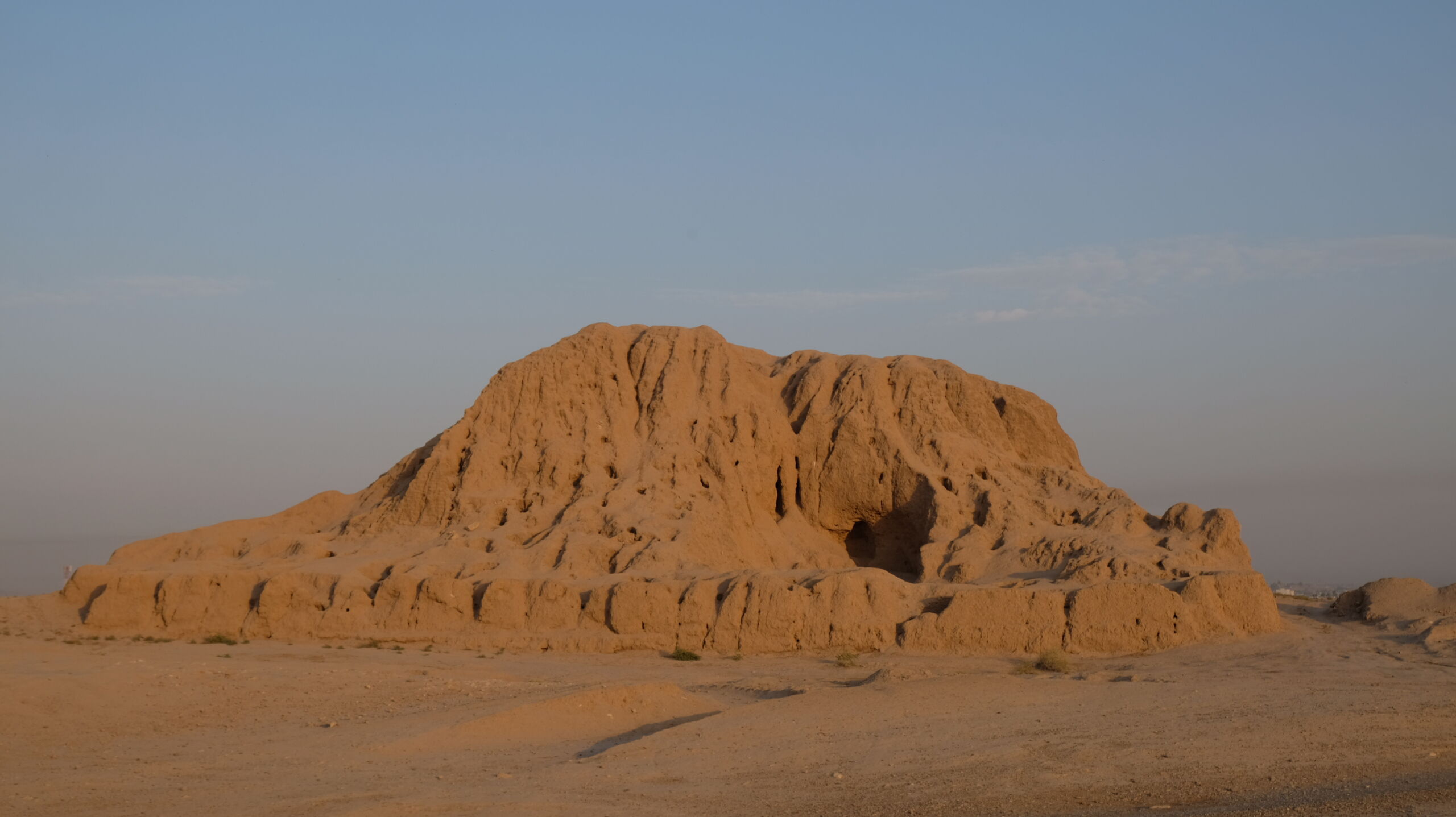
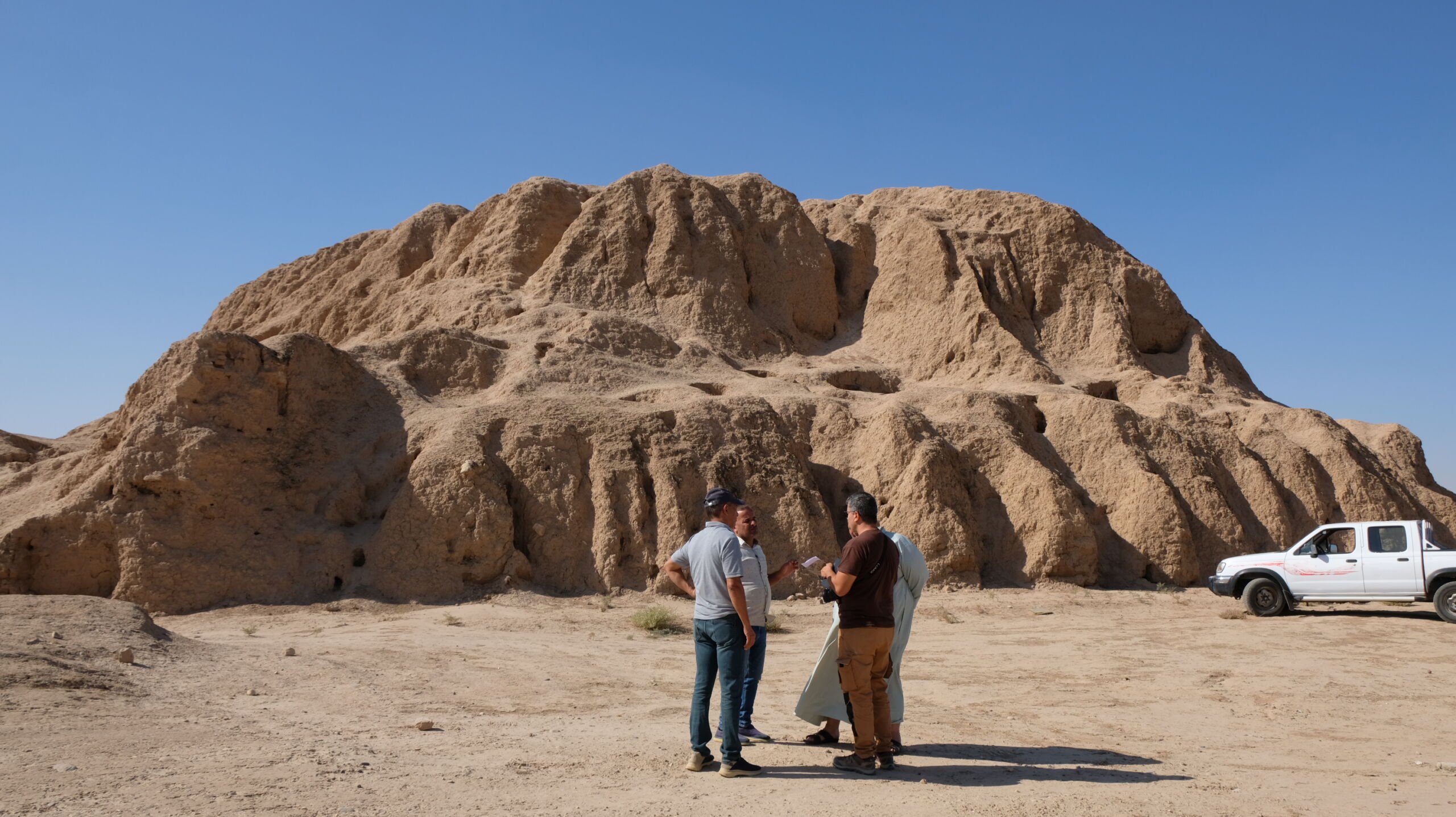
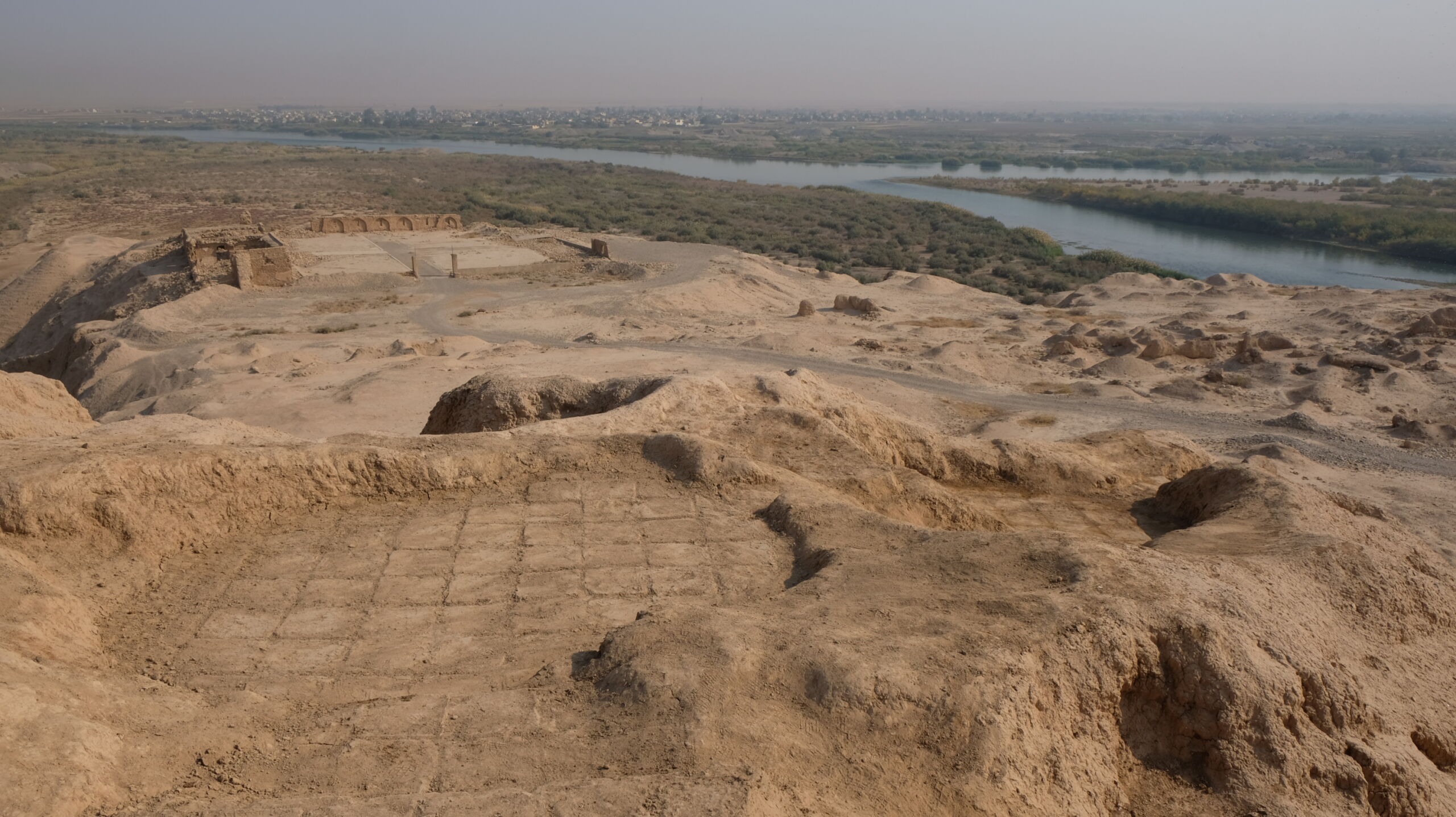
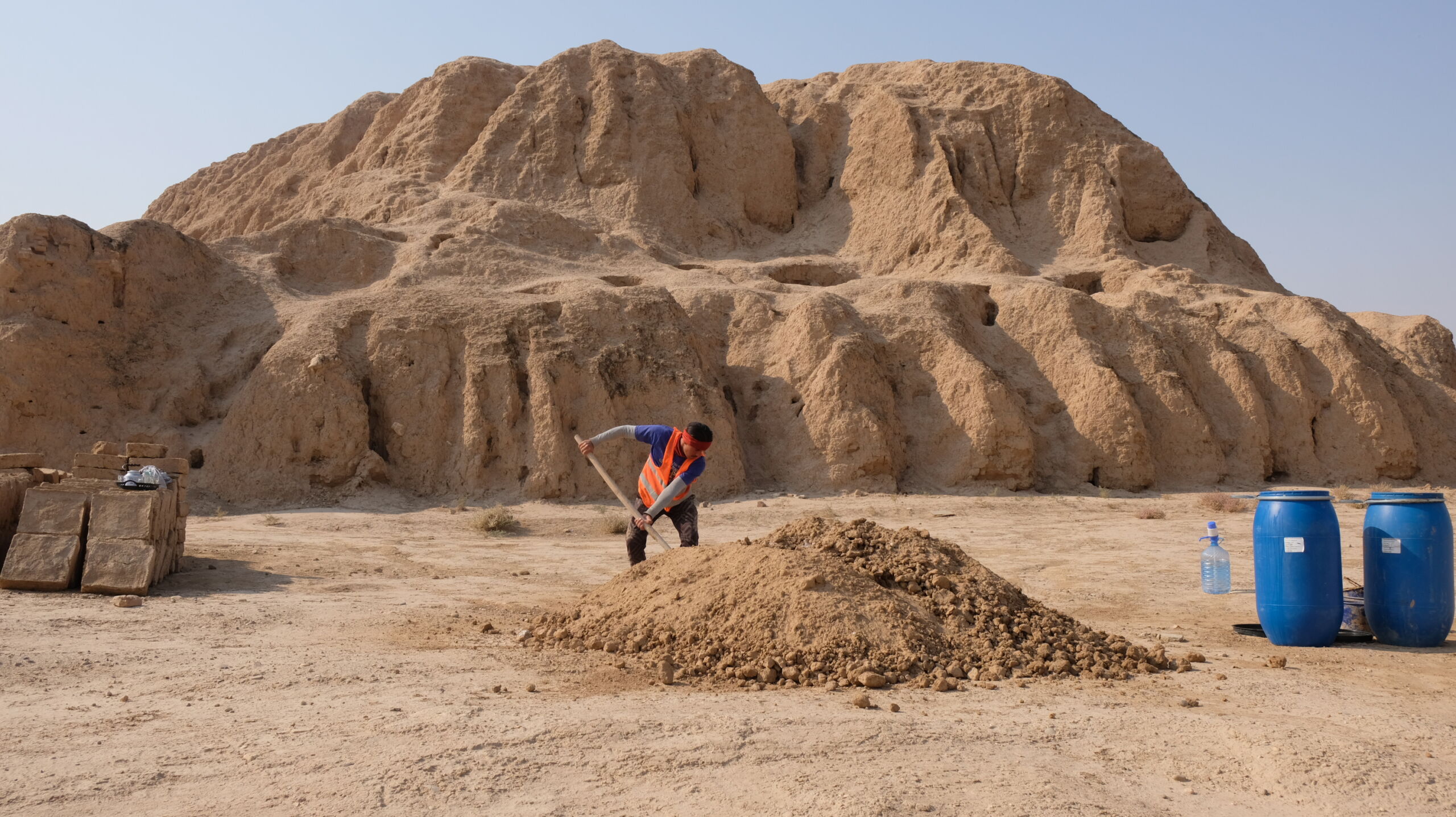
The site of Ashur (Qal'at Sherqat) is located on the right bank of the Tigris River in the Al-Sherqat district of the Salah Addin Governorate in Iraq. Bordered on the east by the river, the site is surrounded on its other three sides by the southern suburbs of Al-Sherqat, which extend to its boundaries. Ashur forms part of a 150-hectare area preserved from human activity, including 70 hectares of ruins from the fortified city listed as a World Heritage Site. The main monuments attracting visitors are concentrated in the northern part of the site, overlooking the Um-Chababit wadi plain and the Tigris valley. Among them is a 17 metres high ziggurat, the tallest structure on site and a major focal point for visitors.
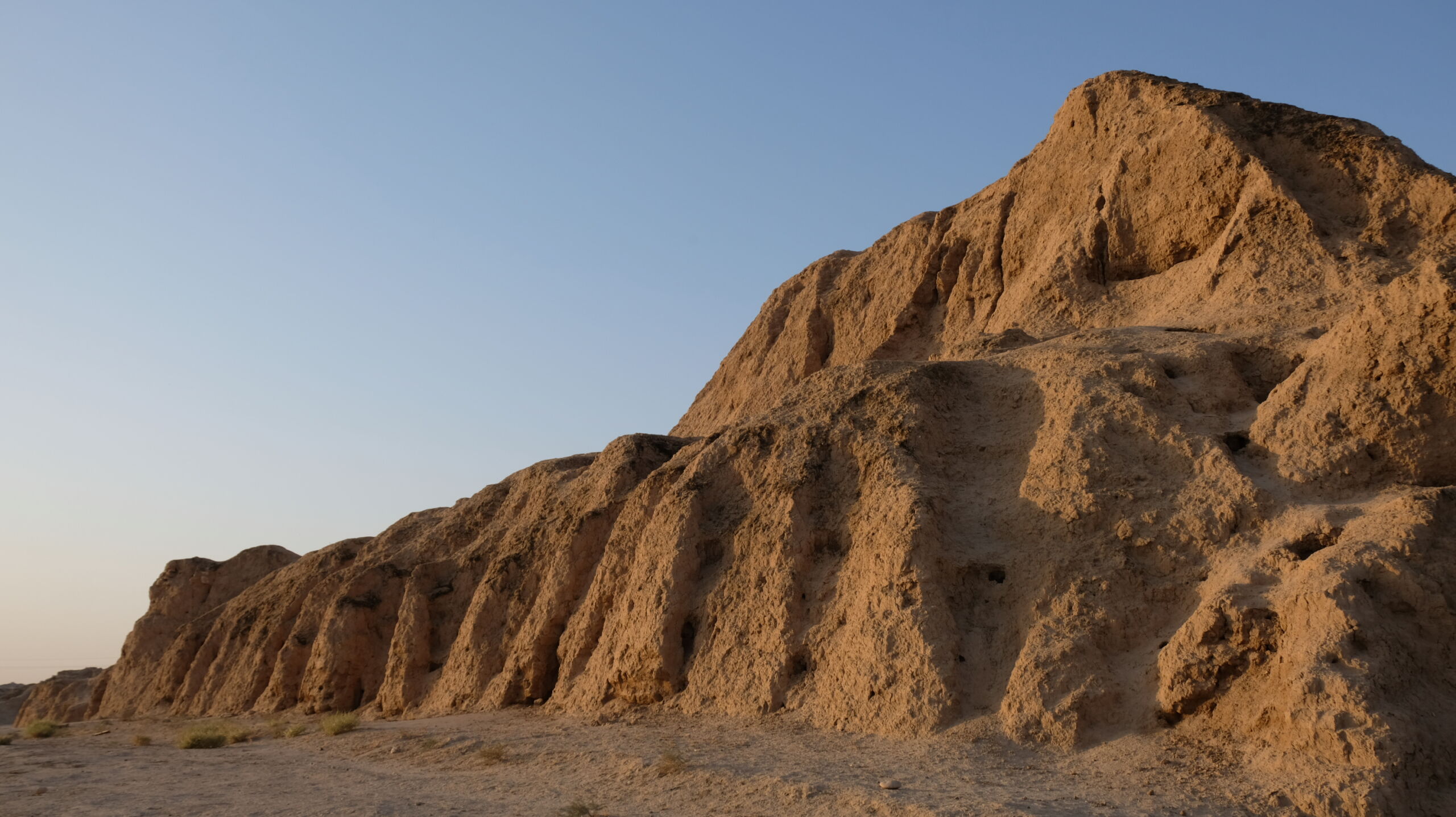
Ziggurats are distinctively Mesopotamian temple towers built of earth bricks. Over millennia, natural erosion has erased much of their remains, and most have lost their stepped pyramidal shape. The ziggurats of Ashur in Iraq and Chogha Zanbil in Iran, although less than half their original height, are the two best preserved in the world, giving them exceptional historical significance.
According to the World Heritage nomination file, Ashur was founded in the 3rd millennium BCE. Its most significant period extended from the 14th to the 9th centuries BCE, when it served as the first capital of the Assyrian Empire. Beyond its political role, Ashur was the religious heart of the Assyrians, closely associated with the god Ashur and serving as the site of royal coronations and burials. It is considered one of the earliest powerful empires in history, controlling territories stretching from the Mediterranean to Central Iran. Archaeological evidence indicates occupation as early as the Early Dynastic period of Sumer in the mid-3rd millennium BCE, while the ziggurat itself dates to the first quarter of the 2nd millennium BCE.
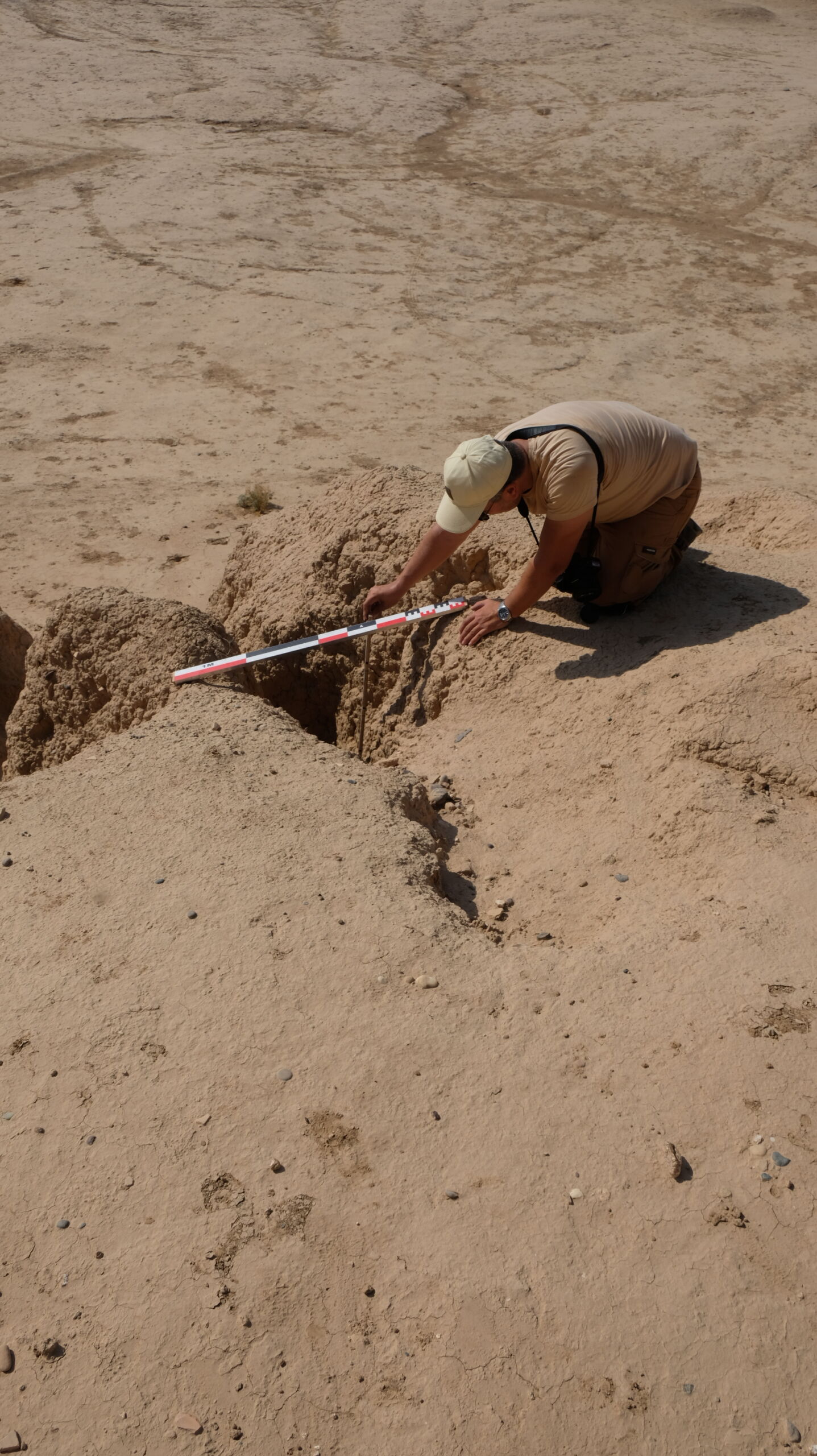
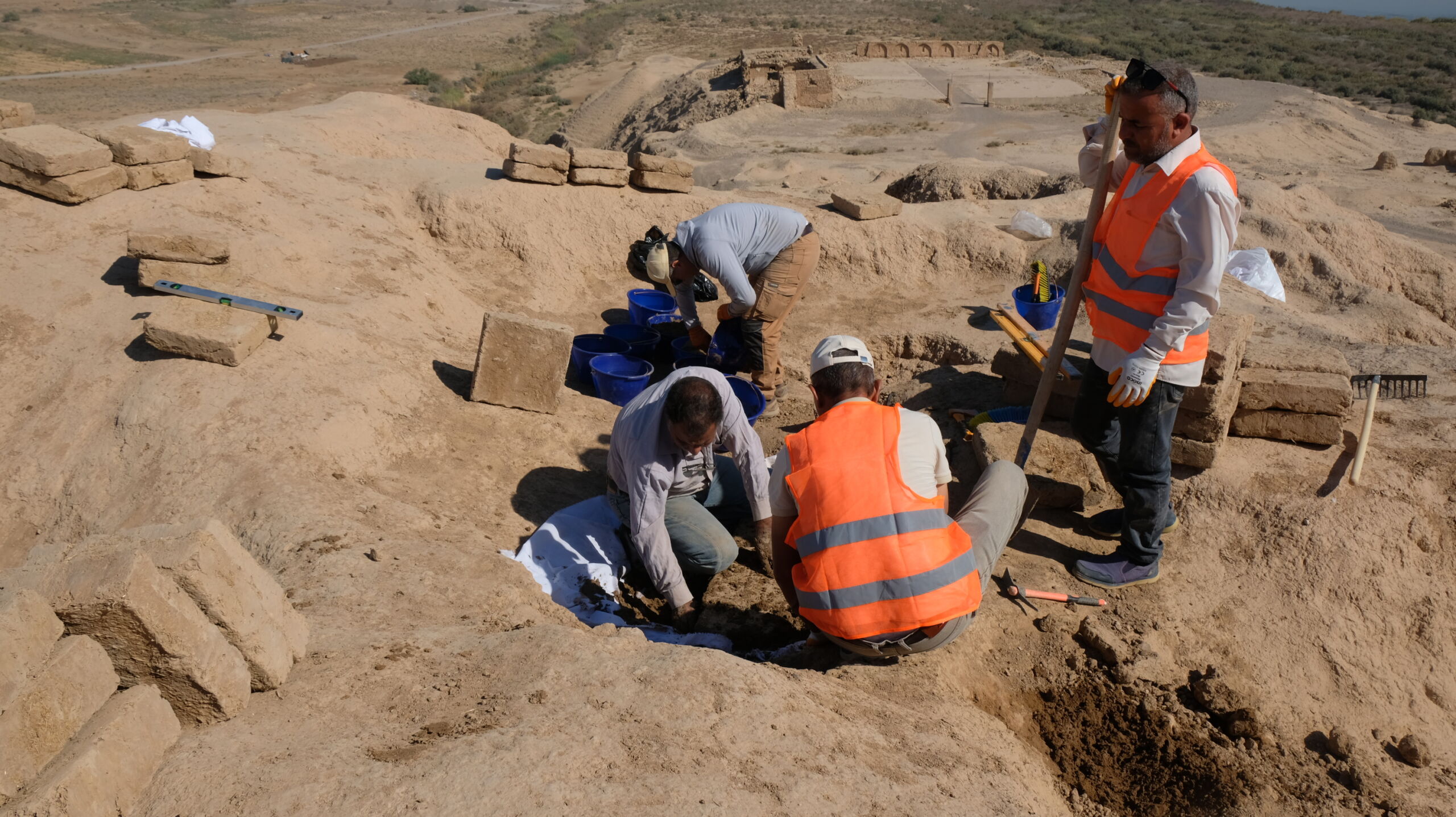
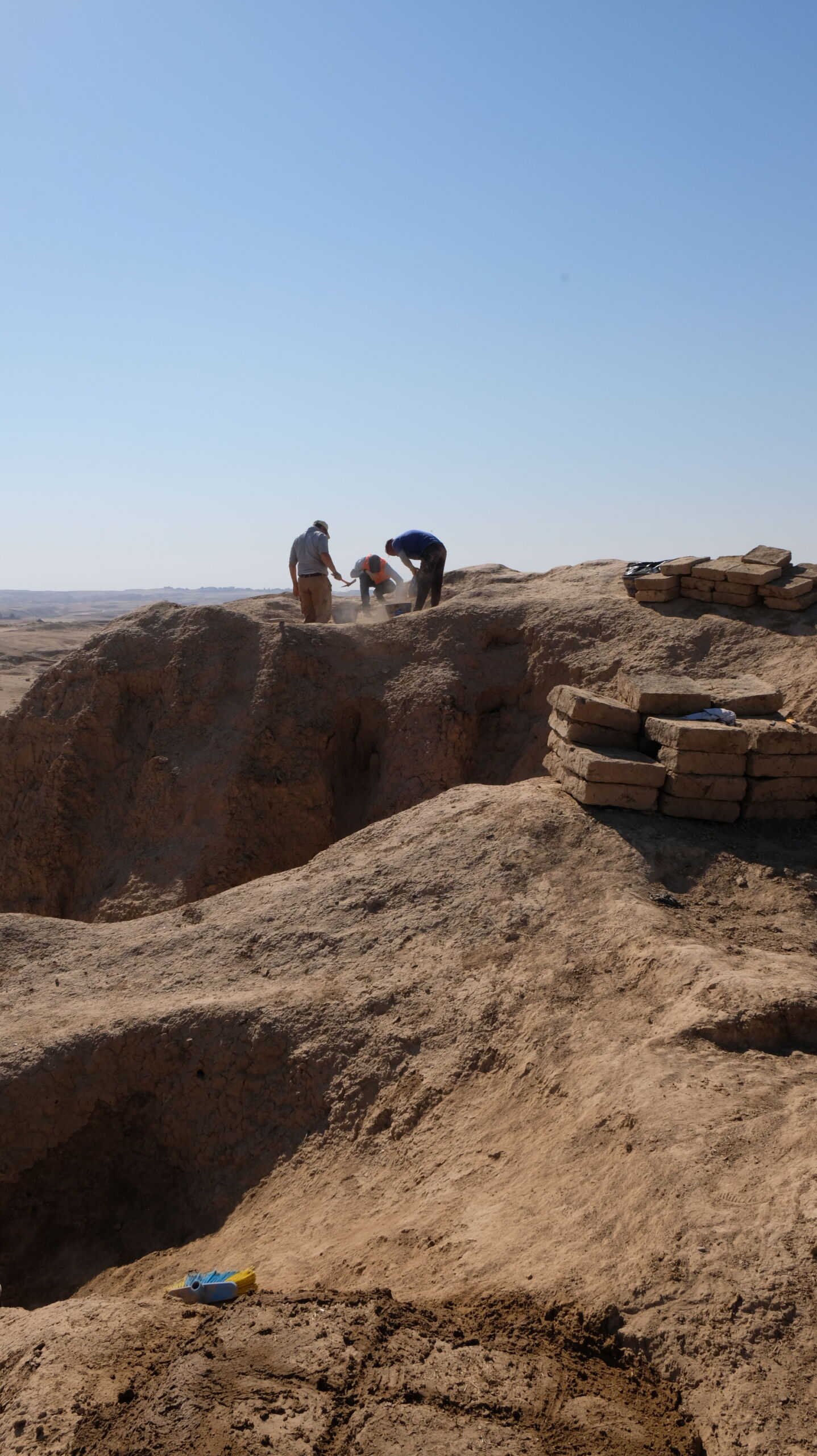
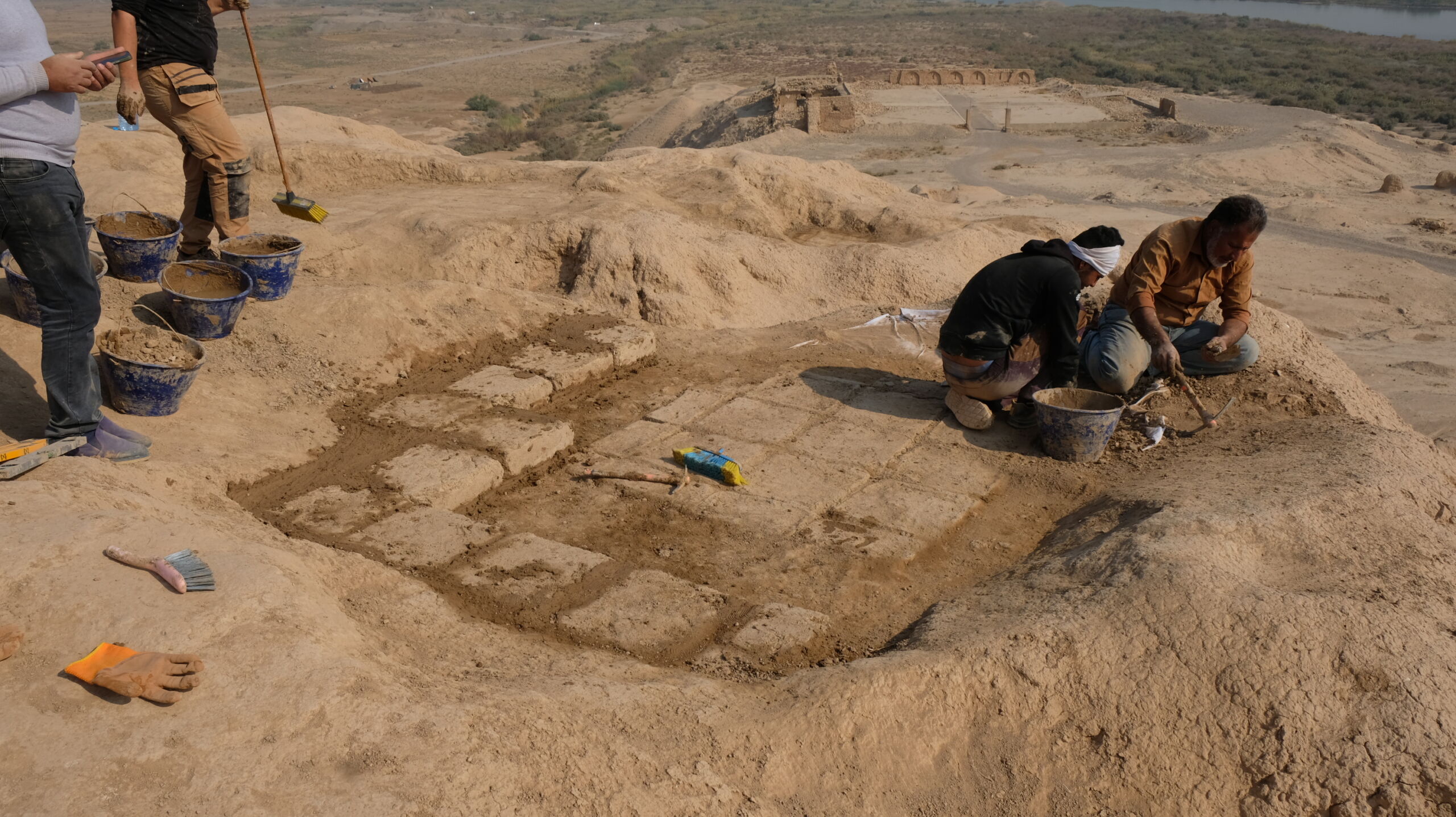
The primary objective of this CRAterre mission was to slow the degradation of the Ashur ziggurat through the training of local staff and the implementation of conservation measures. The CRAterre team, composed of architects Sébastien Moriset and Mourad Hennous, worked on site from 22 October to 16 November 2025. Activities were carried out with four Iraqi archaeologists—Salim Abdullah Ali, Amr Albashar, Sakhar Mohammad Al Ajaj, and Omar Laith Allawi—and Mahjoub Mohammed Jar (“Abu Ahmed”), an experienced mason regularly involved at the site and in German-Iraqi archaeological campaigns. The team was further supported by three workers from the neighbouring village: Yussef Ahmed, Mohad Sobhi, and Mohammed Ayed.
Results
- Detailed activity report available in English and Arabic.
- Successful implementation of the mission with the site head and 3 other archaeologists, ensuring shared understanding of conservation goals and methods.
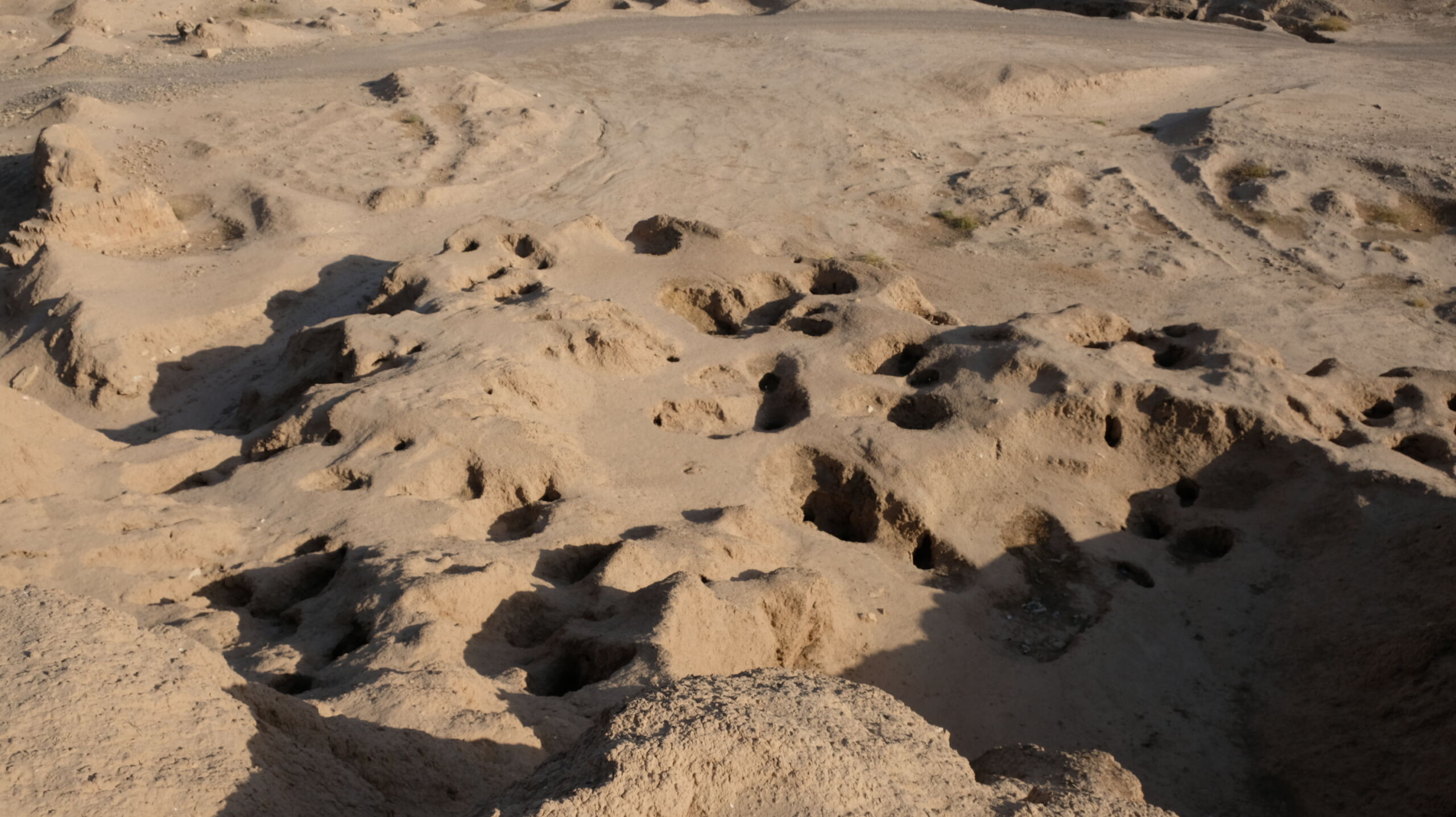
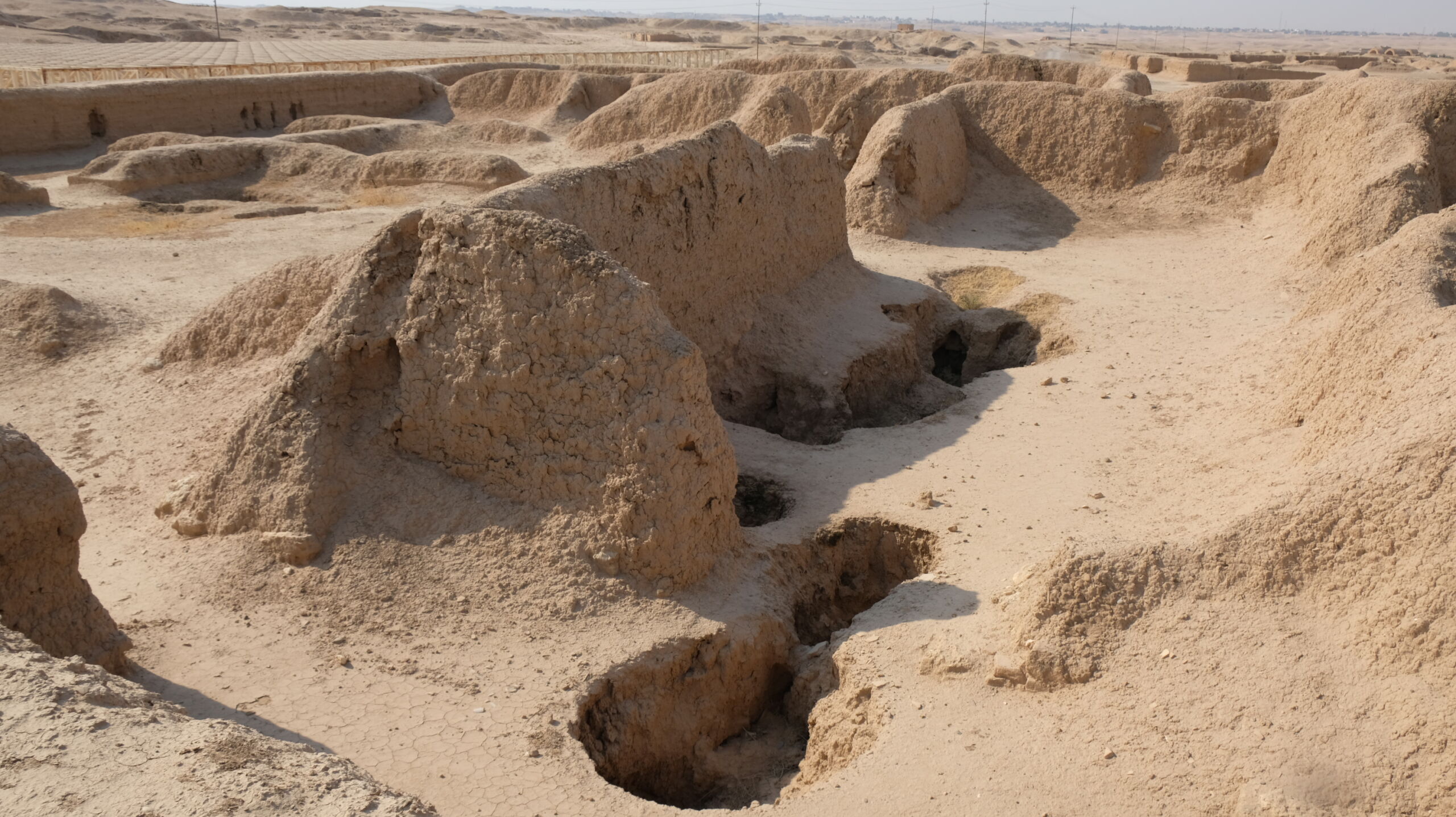
- Comprehensive diagnosis of the ziggurat’s condition, including identification of erosion processes, structural vulnerabilities, and risks linked to the surrounding cliff and wadi.
- Development of agreed conservation principles through the exchange of documentation, drawings, and expertise, informed by CRAterre’s previous experience on comparable ziggurat sites (notably Chogha Zanbil, World Heritage Site in Iran).
- Capacity building of local archaeologists through theoretical lectures on best practices in earthen archaeological conservation.
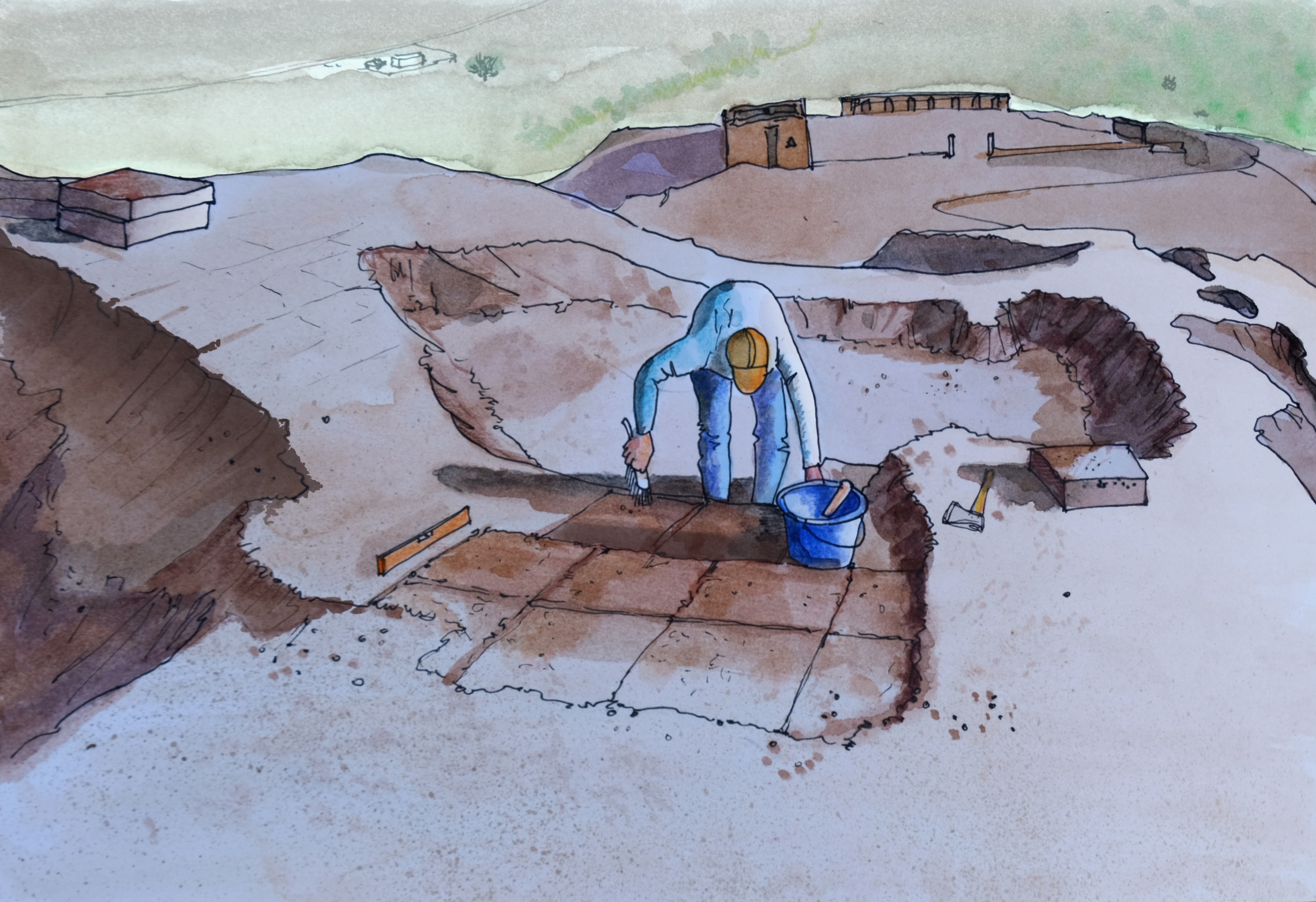
- Production of detailed sketches and section drawings to guide restoration work and standardize intervention methods.
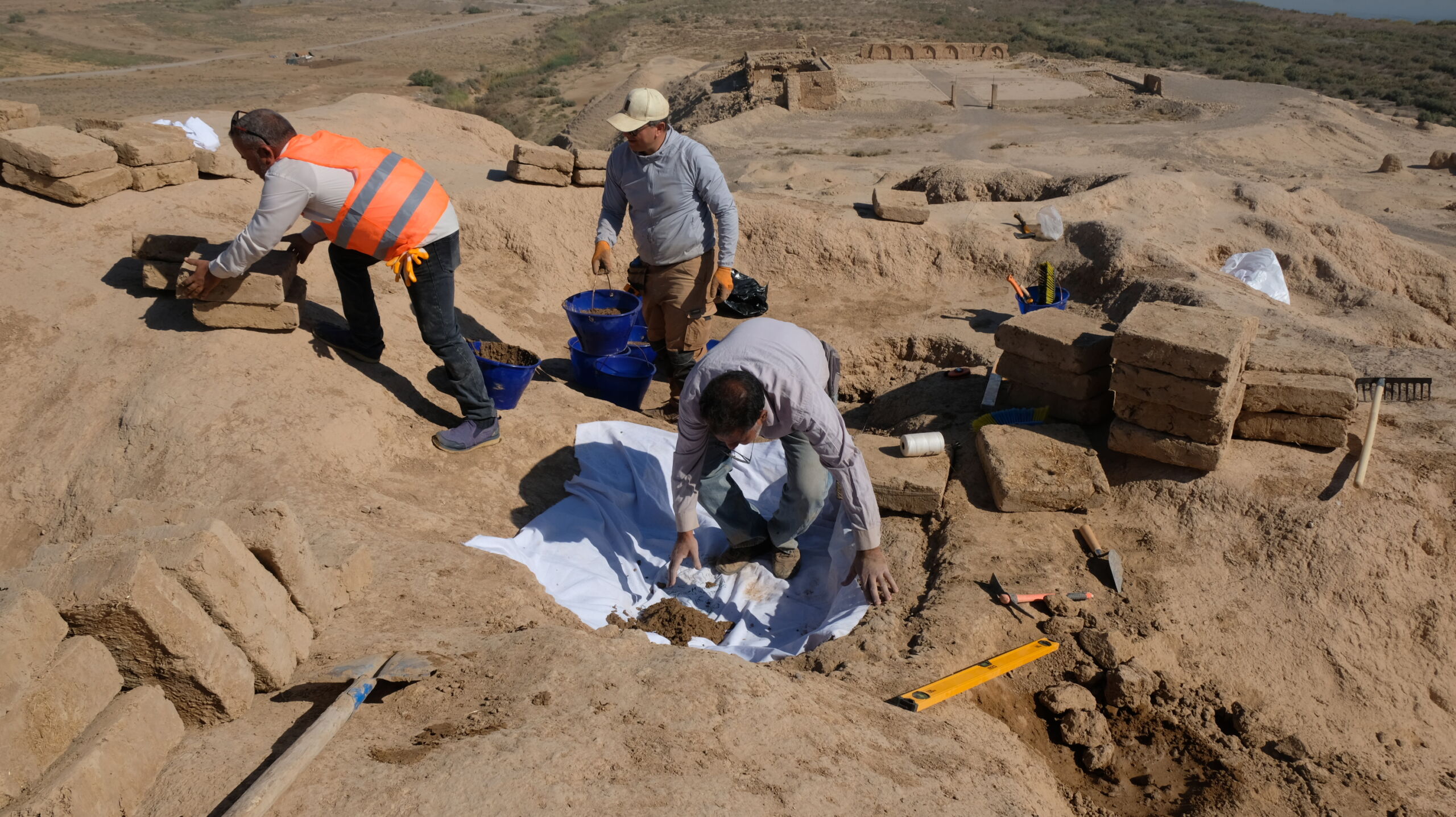
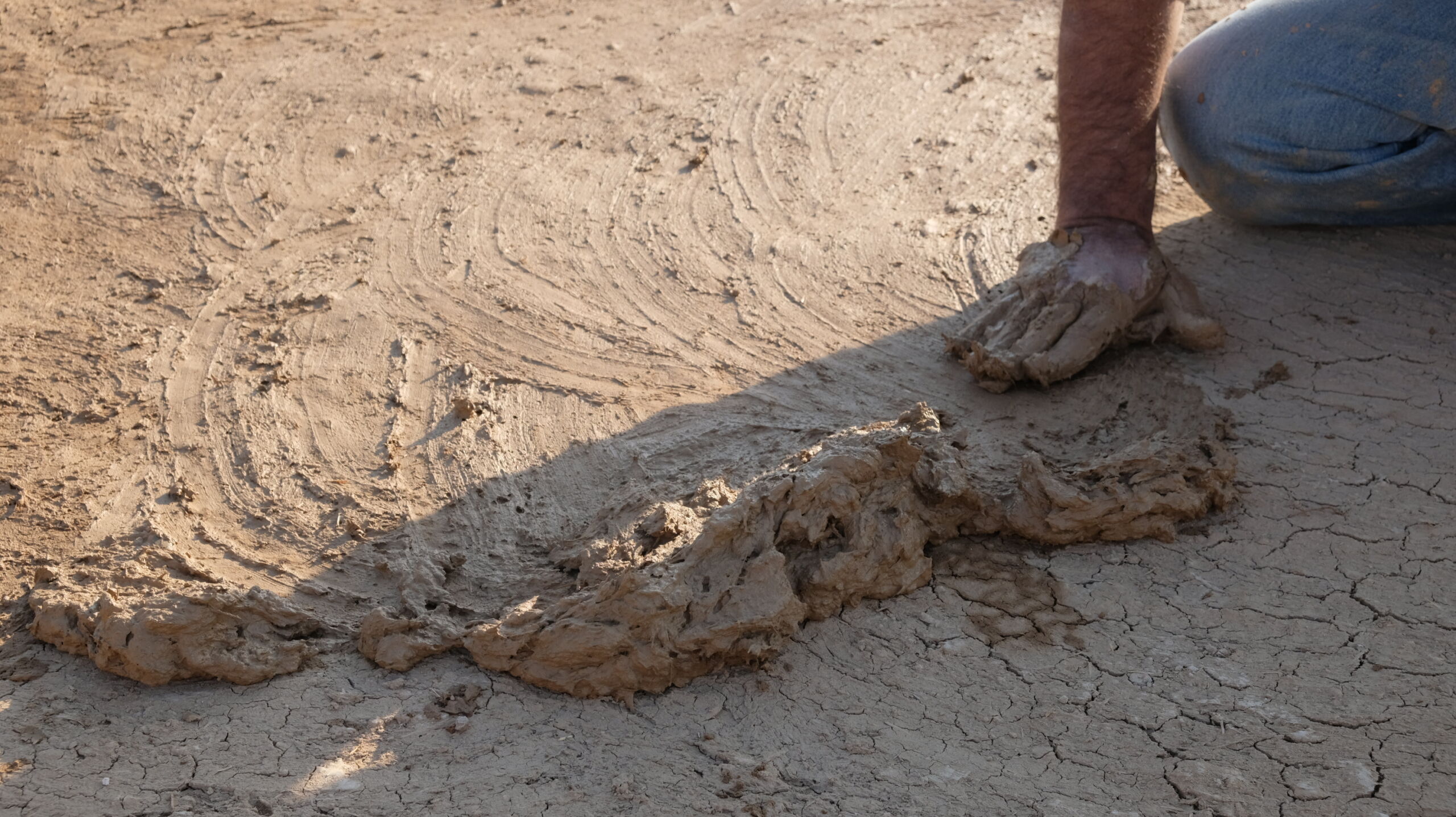
- Training of local staff in soil analysis techniques (field tests), enabling informed comparison between available soils and original adobe materials.
- Collection and analysis of original brick material to support material compatibility in conservation planning.
- Quantification of soil volumes required to fill cavities and reduce water infiltration, providing a basis for medium- and long-term conservation planning.
- Mapping of drainage slopes and water catchment areas, leading to the identification of necessary adjustments to slow erosion processes.
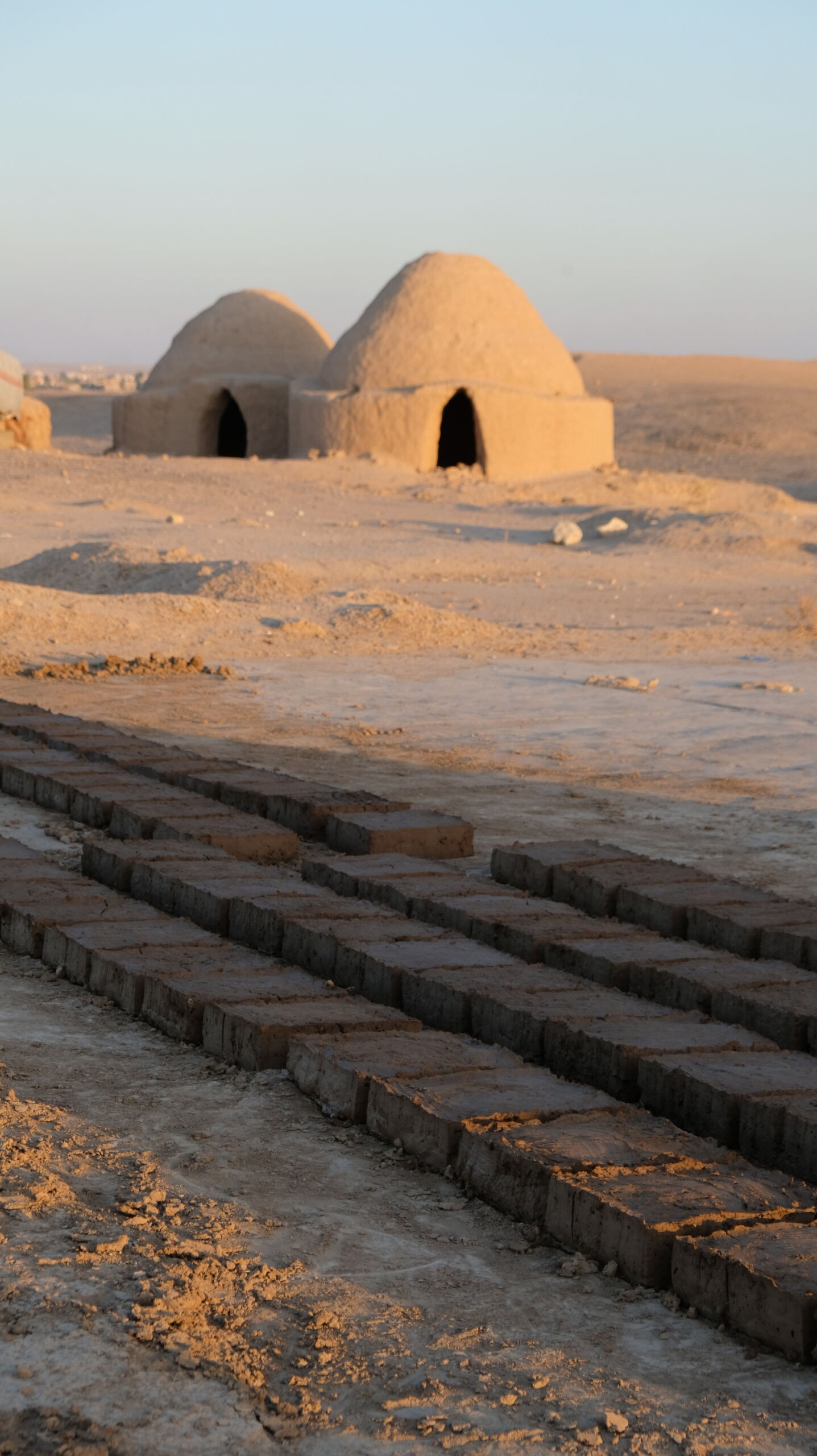
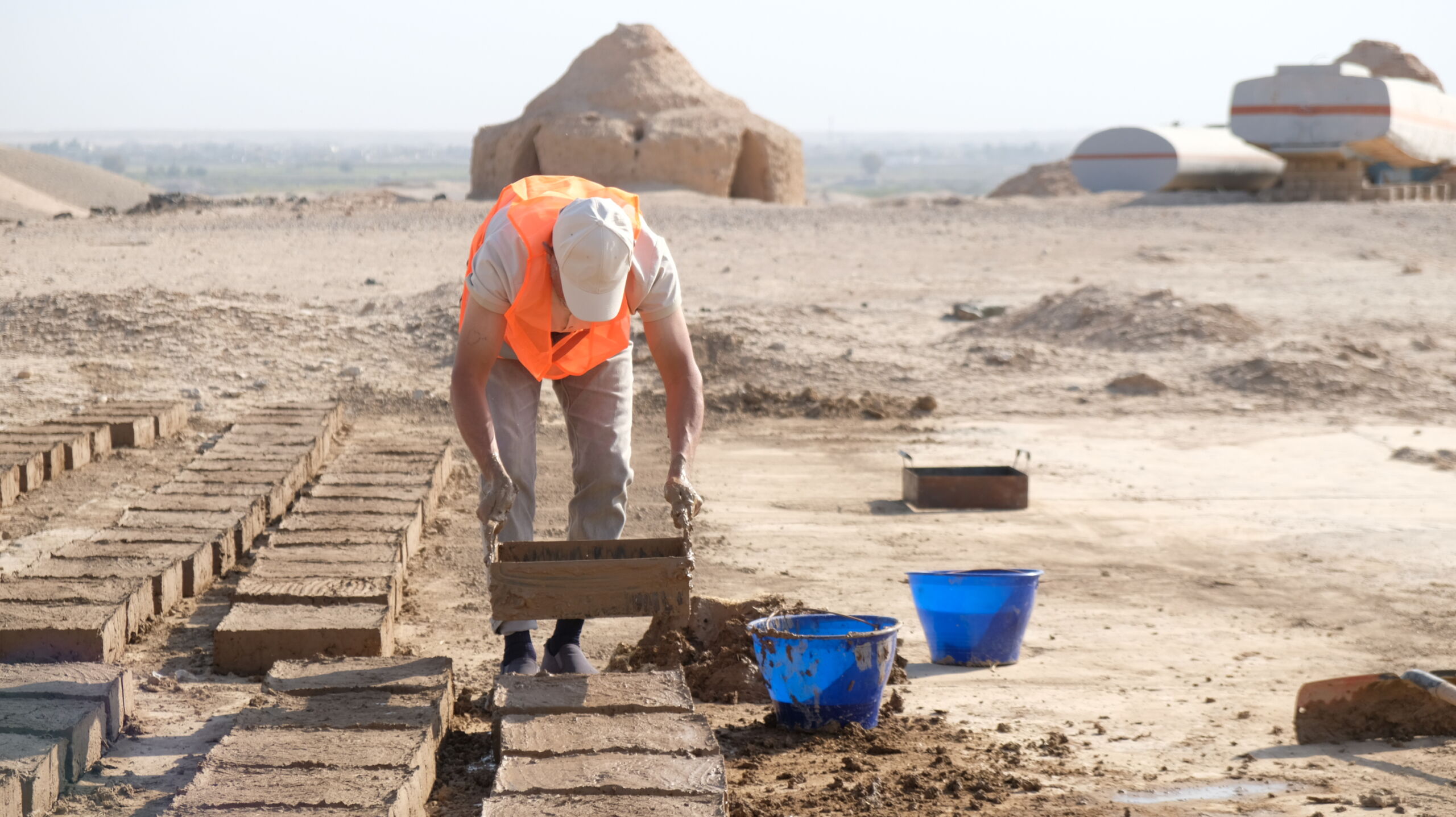
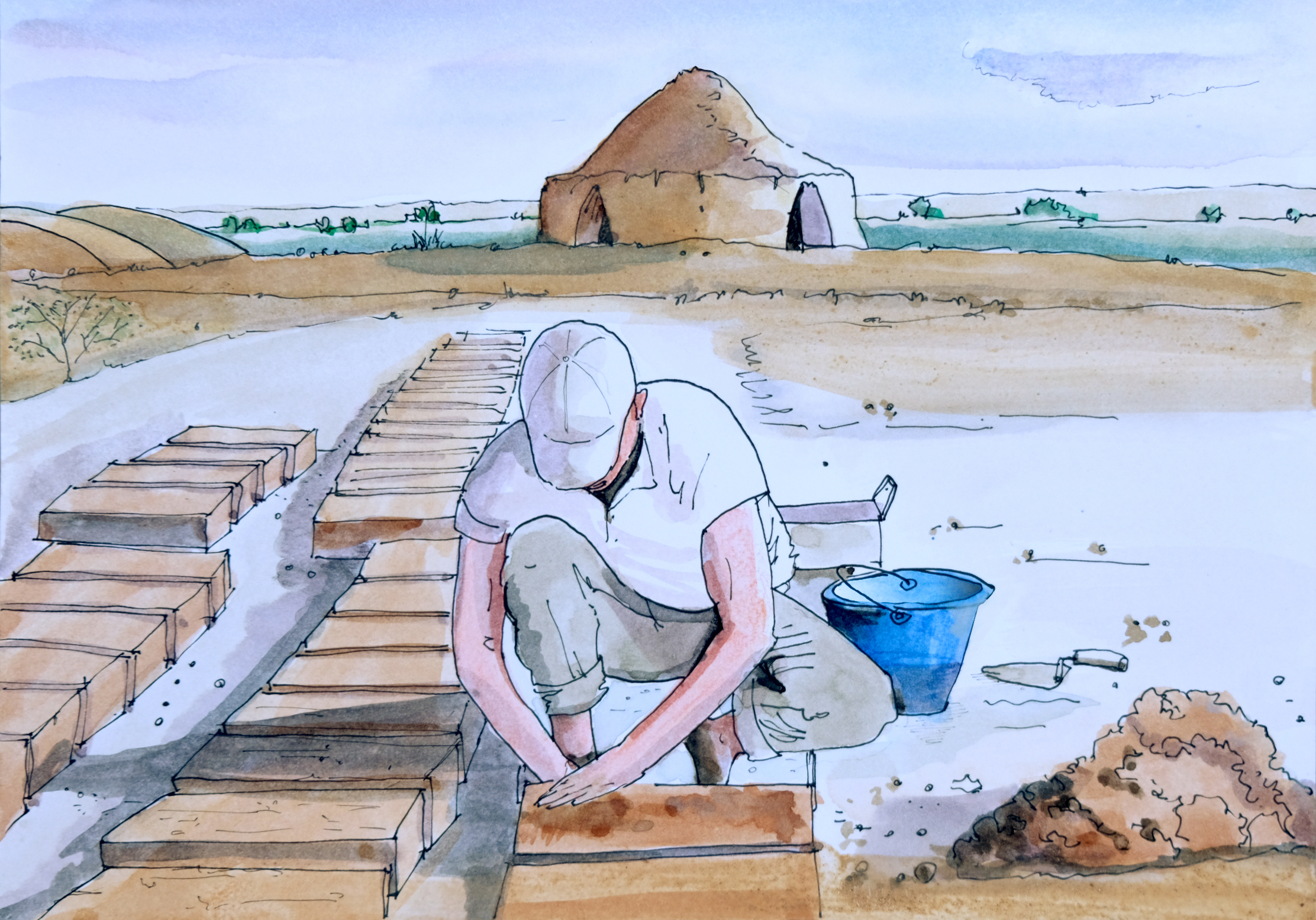
- Experimental production of adobe bricks without additives to replicate original materials, generating test samples for future evaluation.
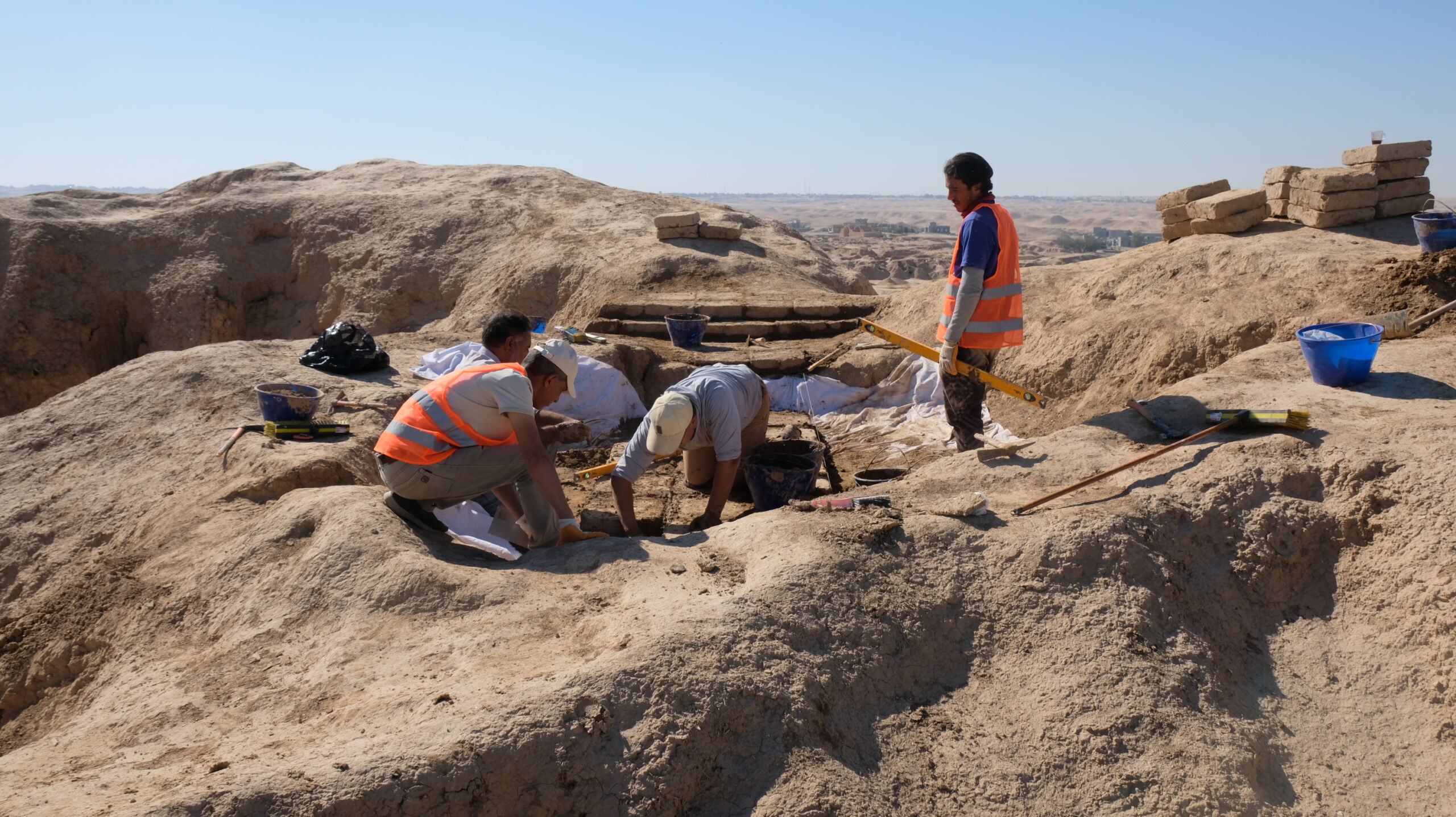
- Treatment of 16 cavities on the ziggurat, creating an effective barrier against water infiltration and reducing the risk of further internal erosion, particularly near the tunnel.
- Completion of site cleaning and proper storage of materials, leaving the ziggurat and work areas in a stable and orderly condition at the end of the mission.
Partner
Bureaux de l'UNESCO à Bagdad et Erbil, Autorités chargées du patrimoine en Irak, State Board of Antiquities and Heritage, World Heritage Department of the State Board of Antiquities and Heritage
Funding
UNESCO