Objectives
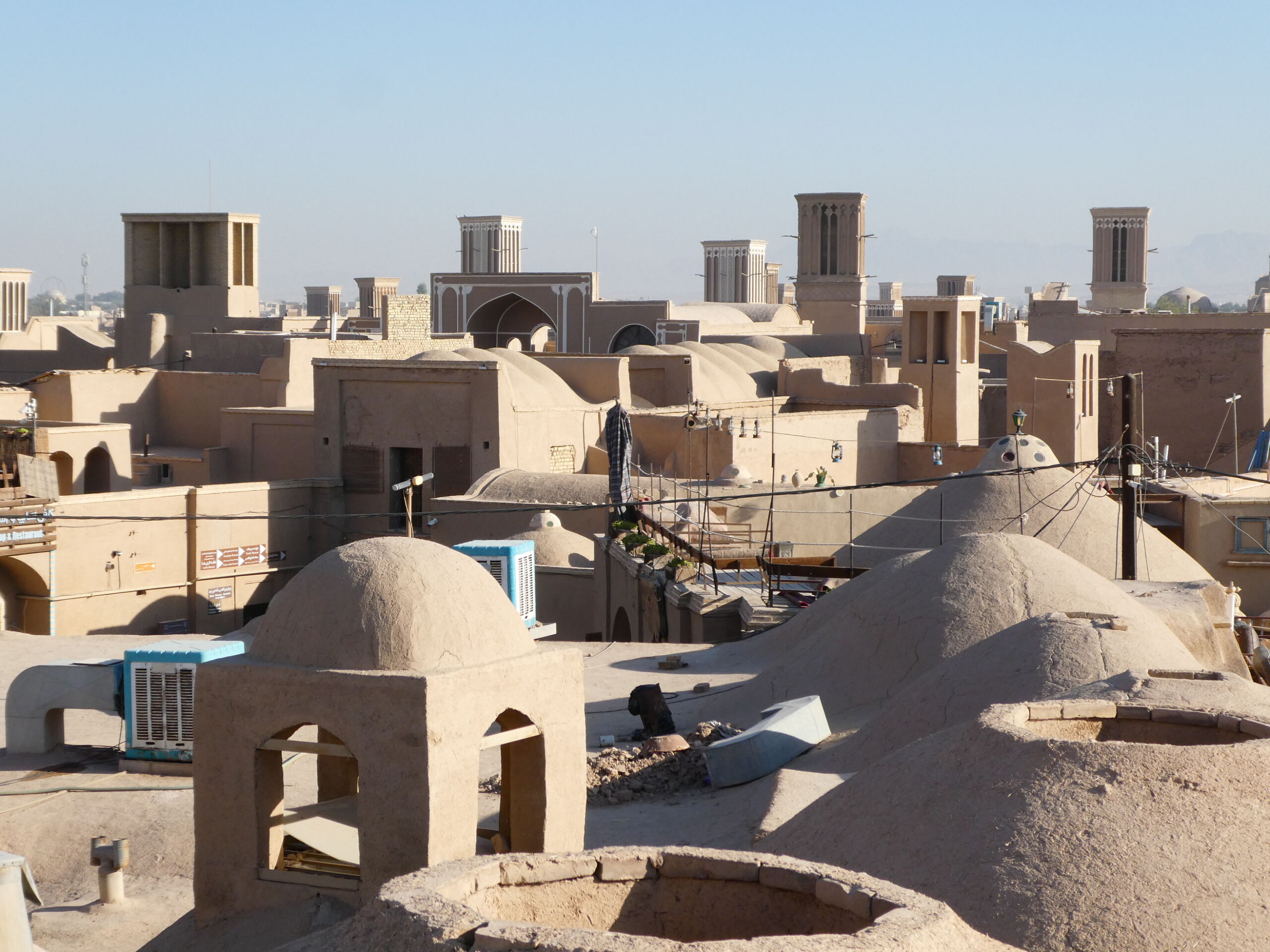
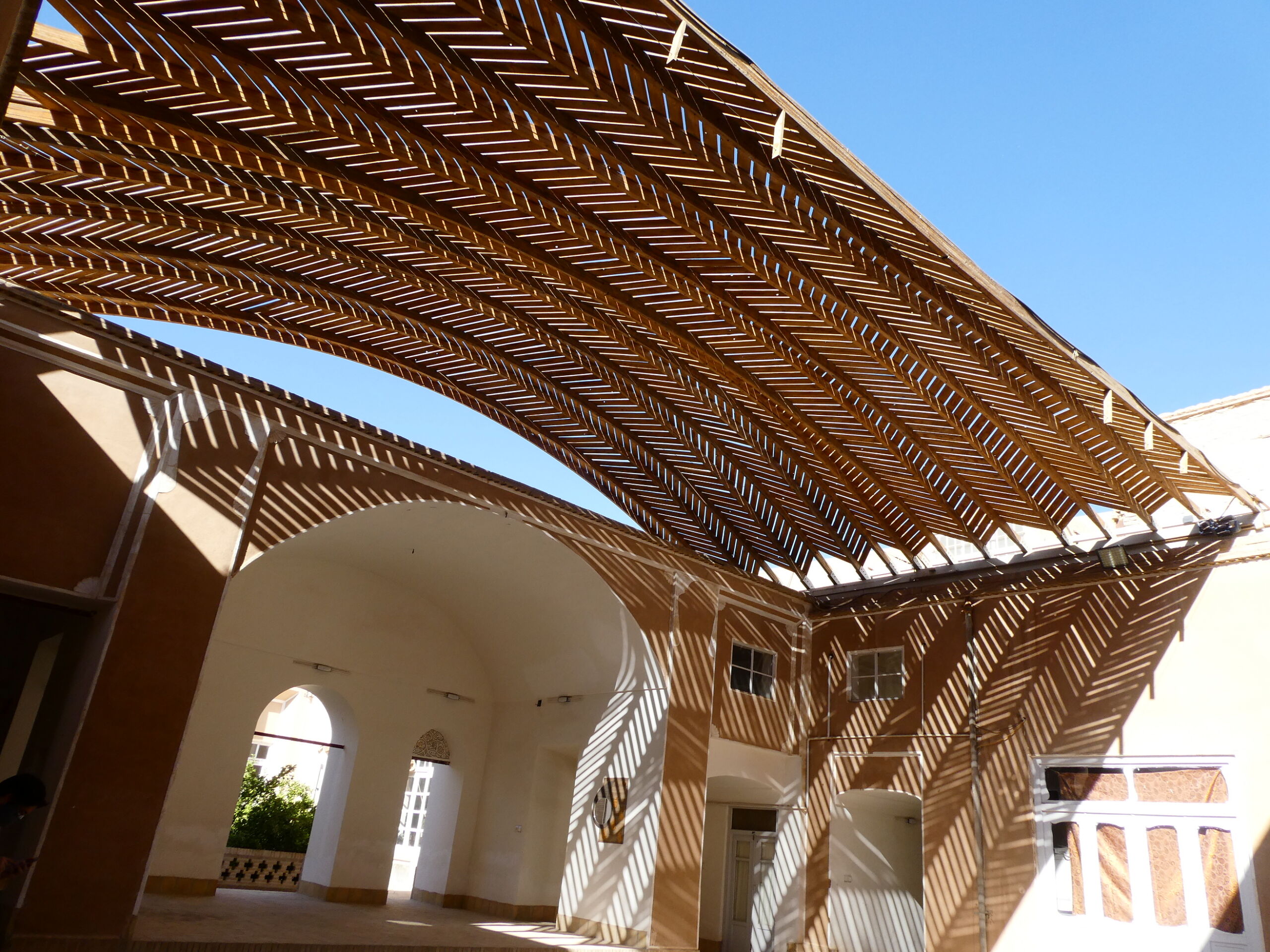
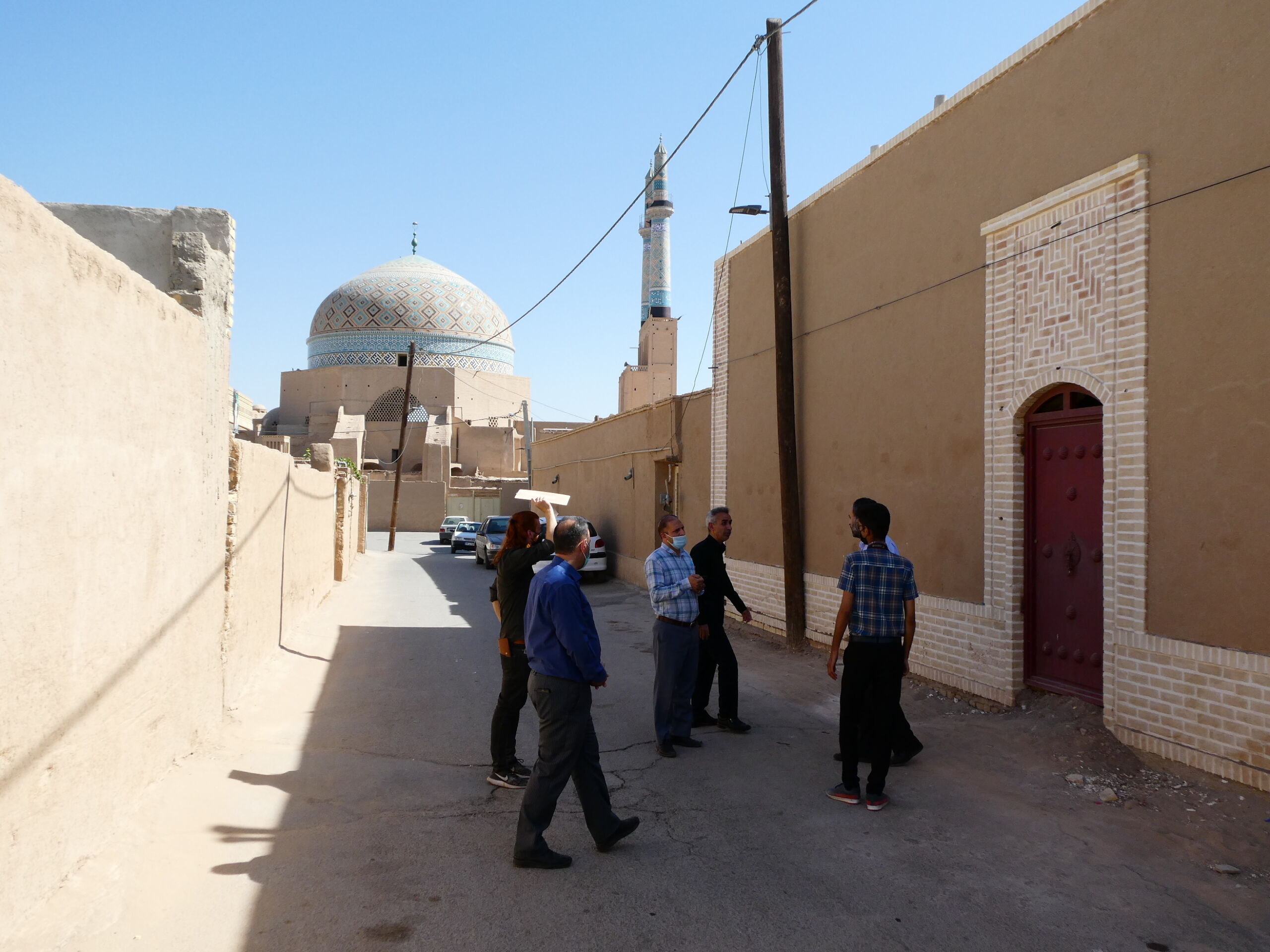
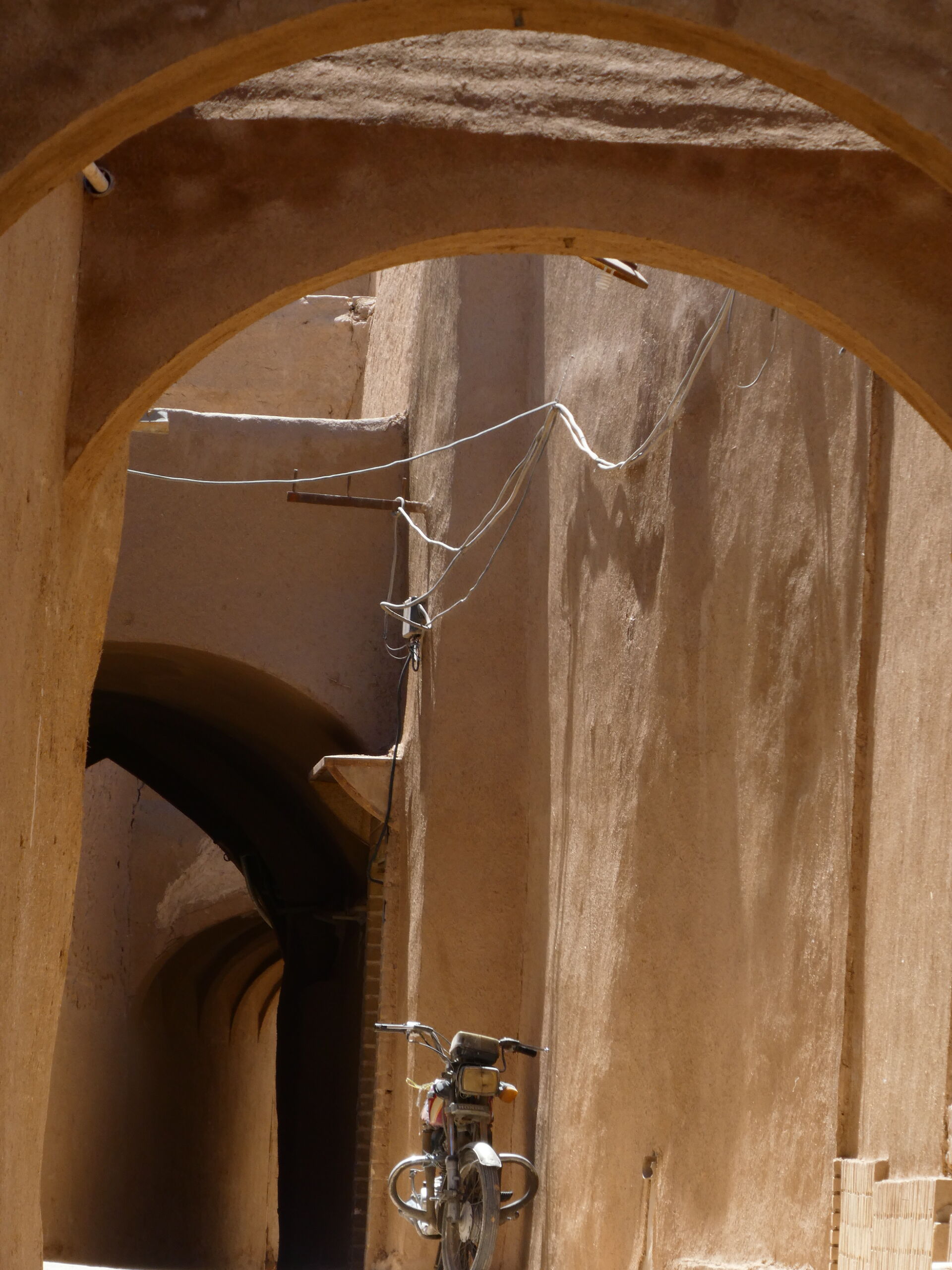
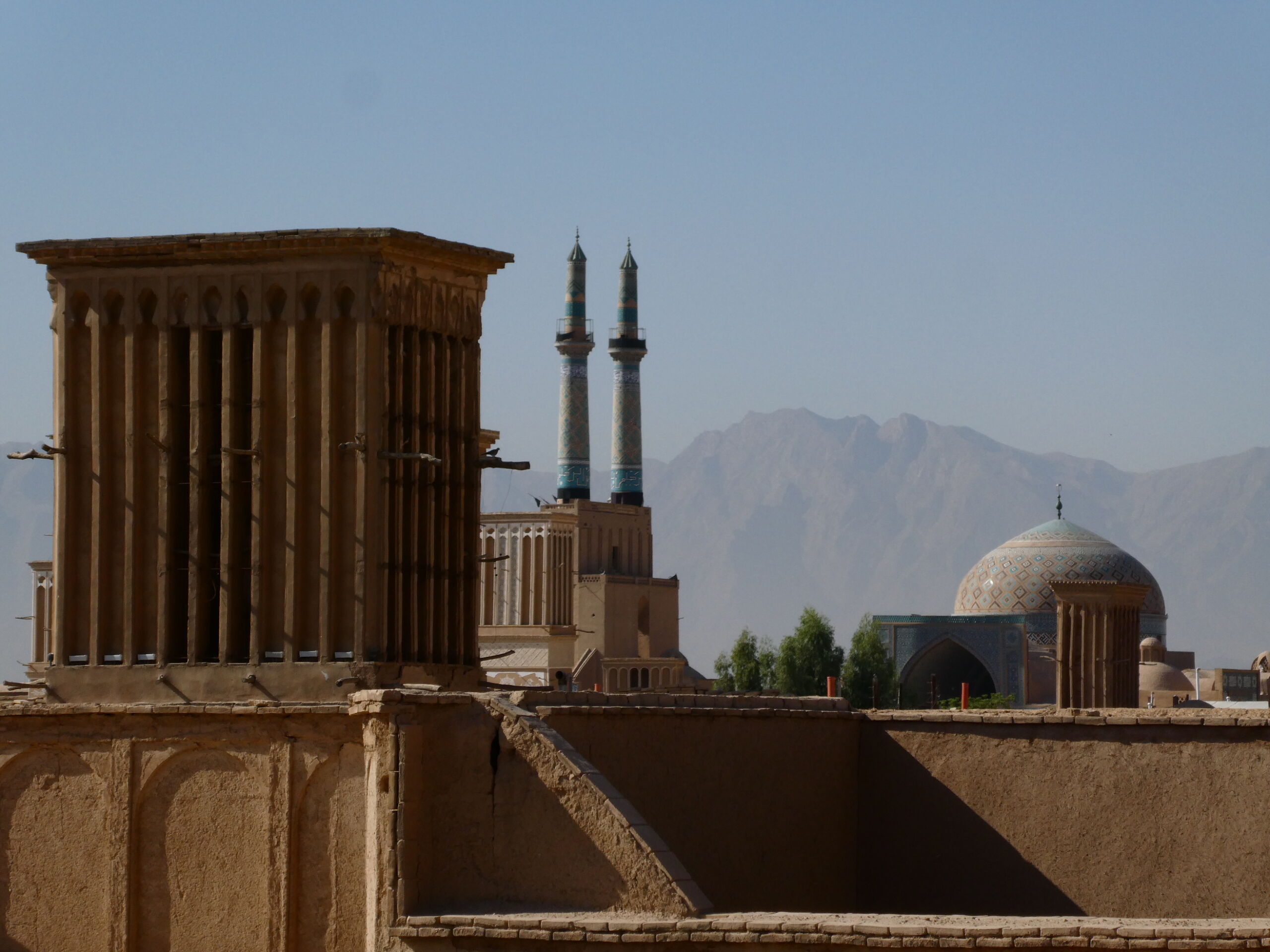
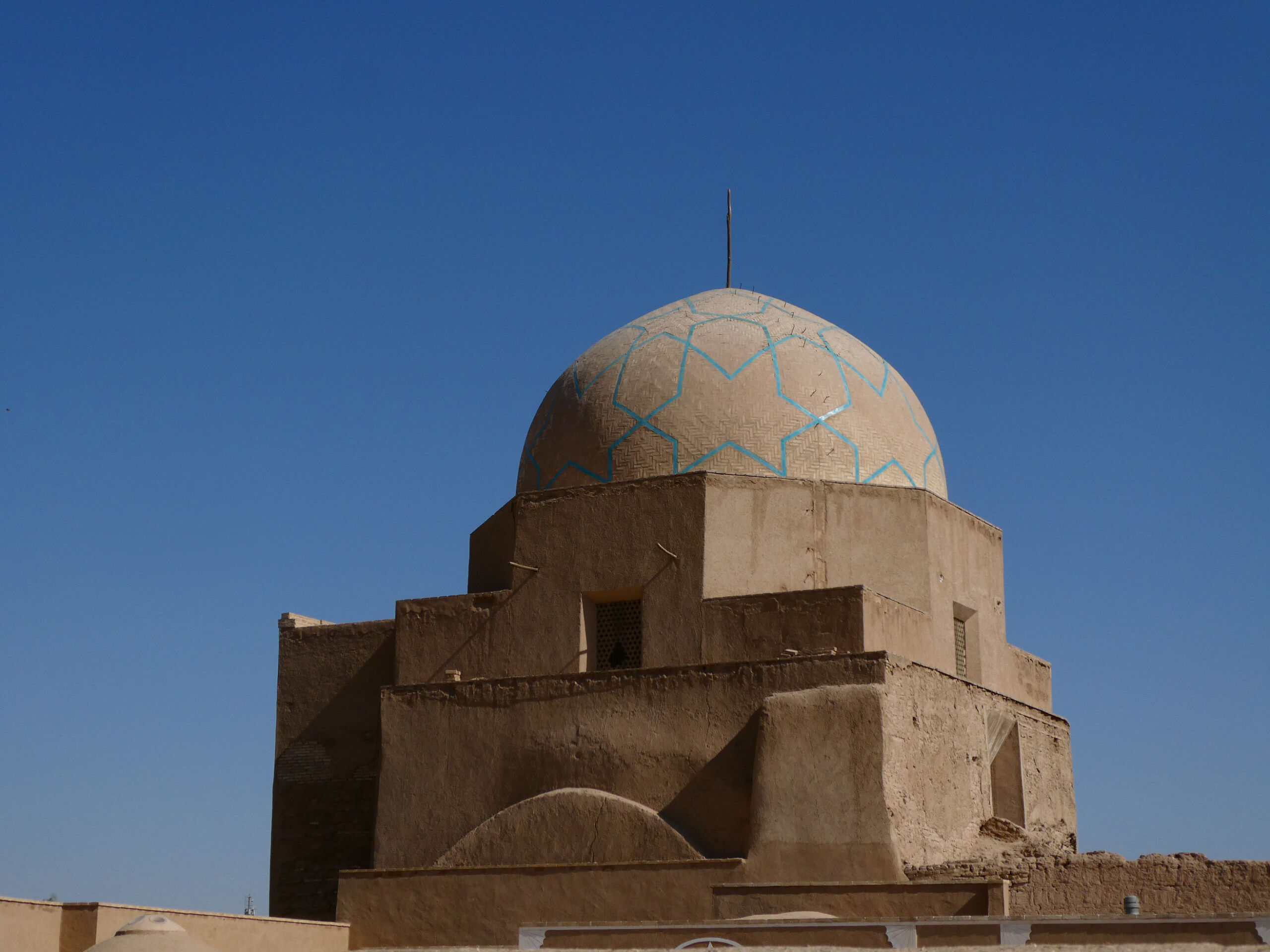
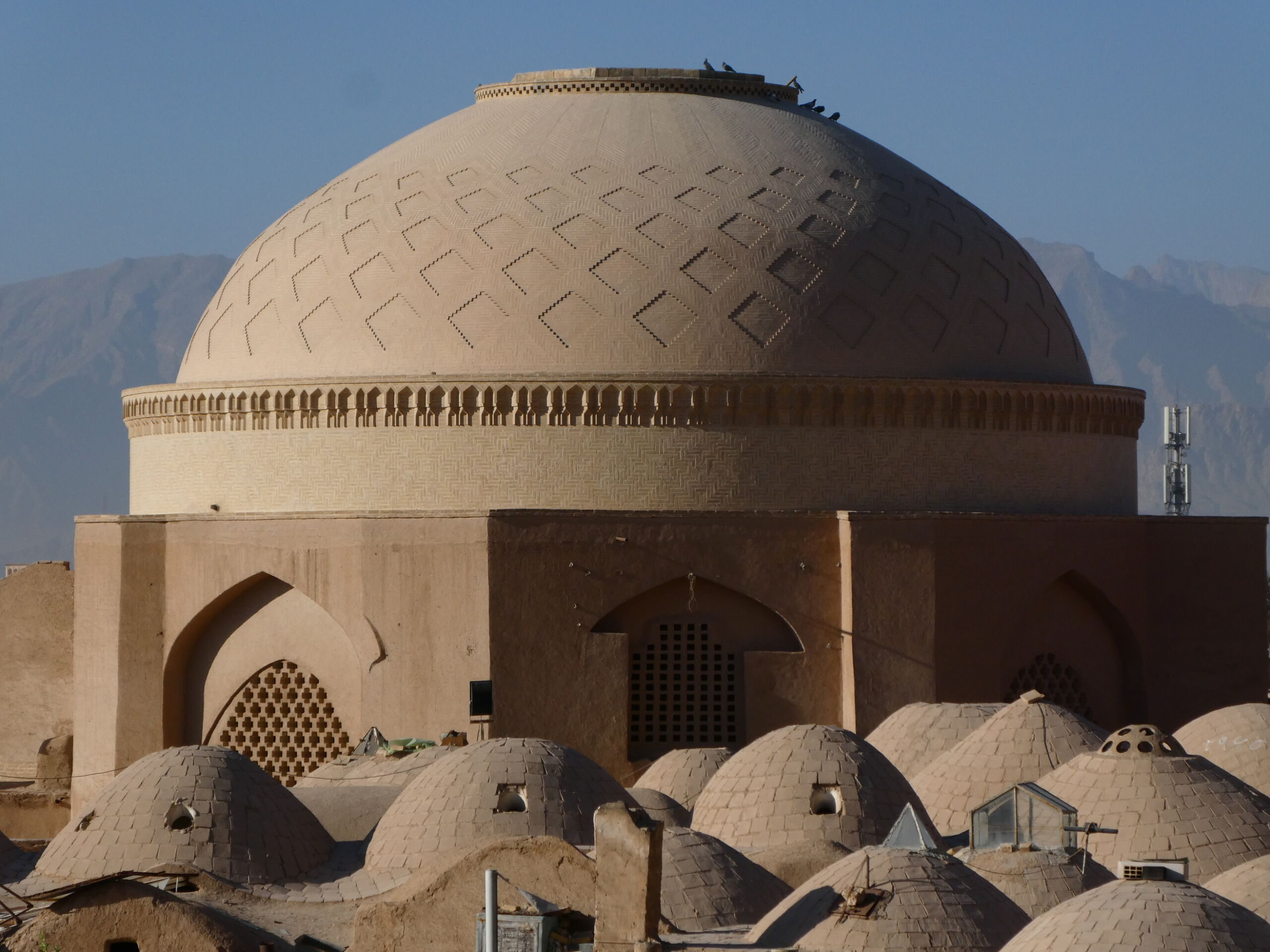
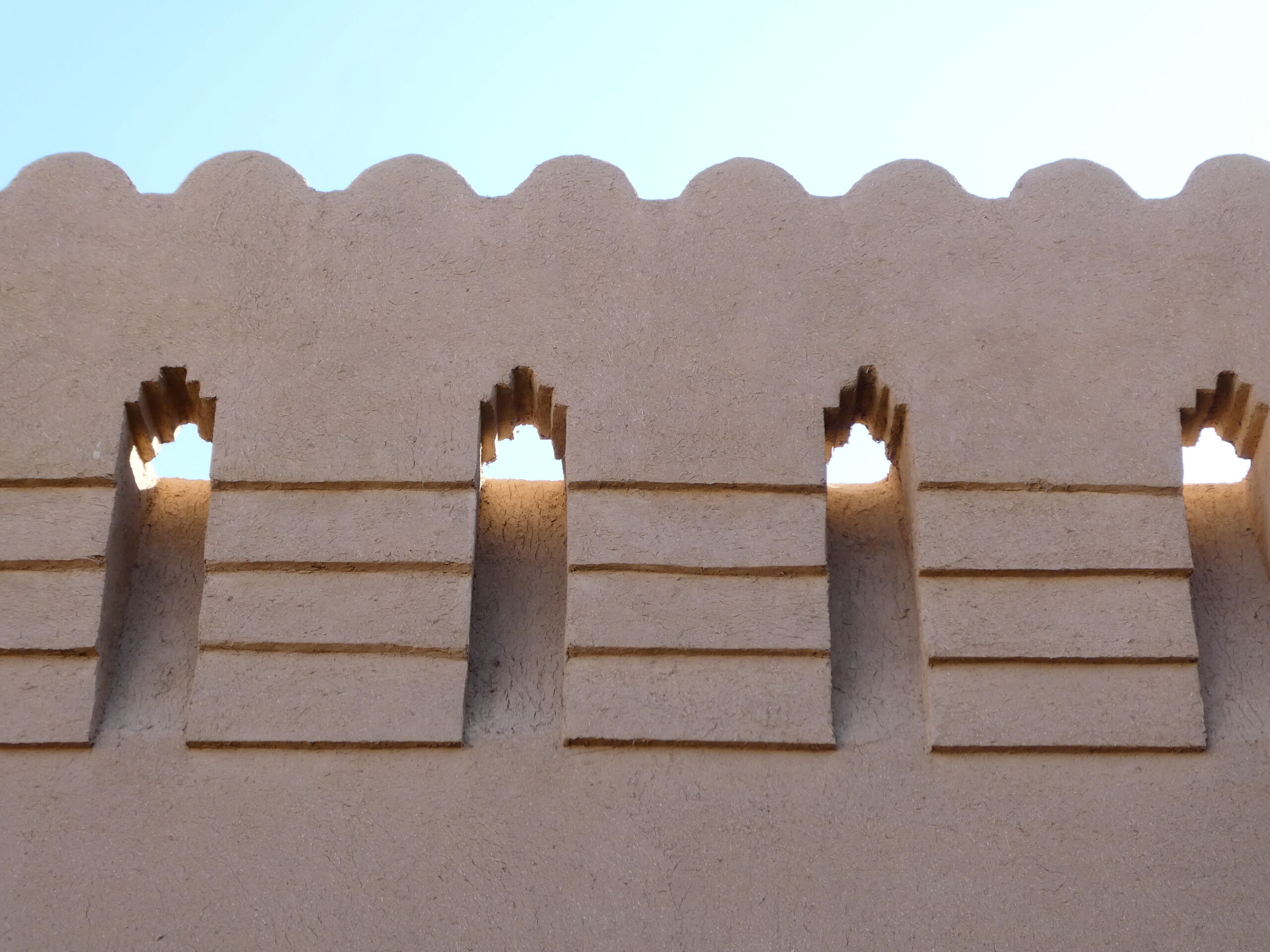
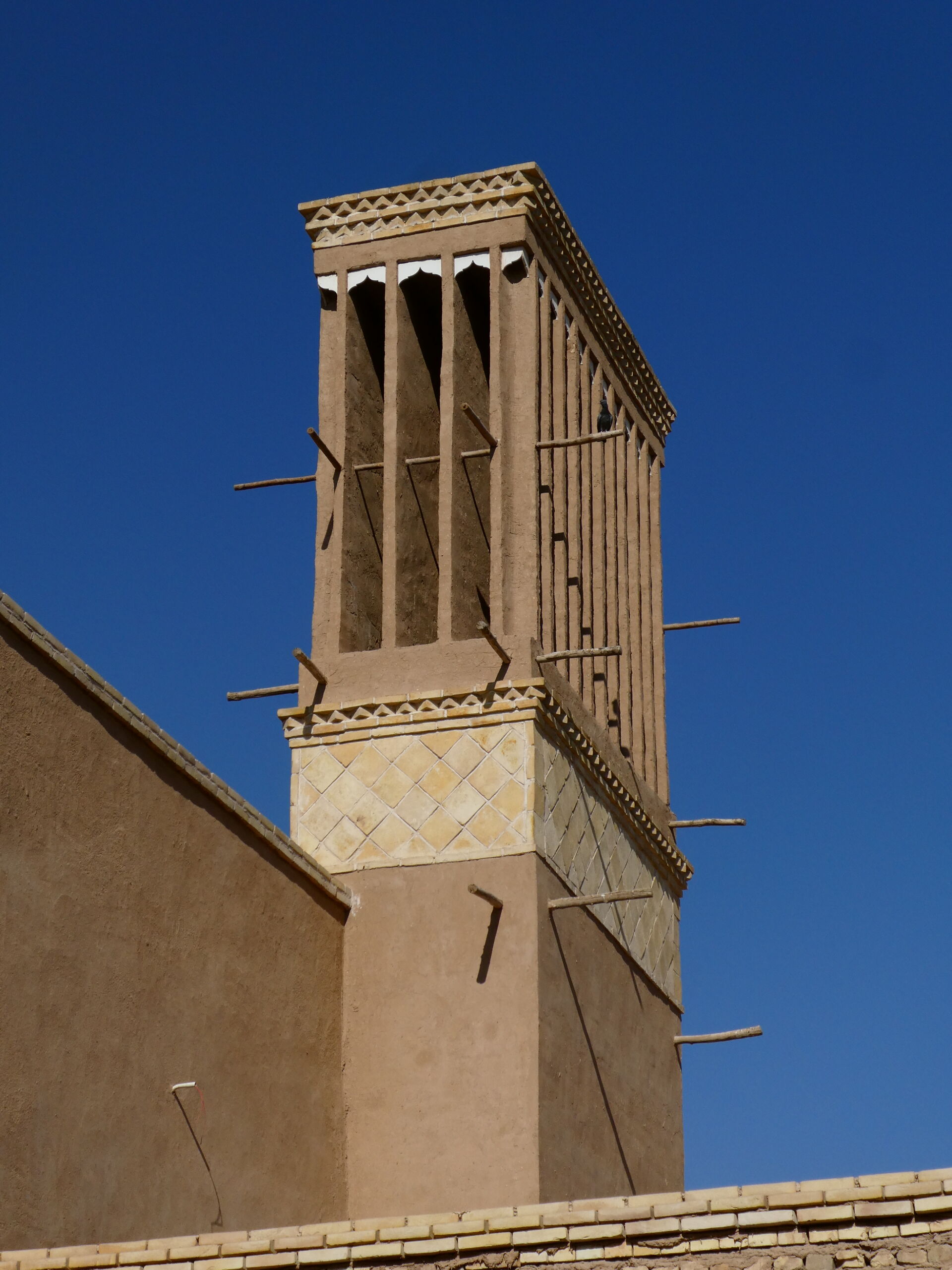
The project implemented in the Historic City of Yazd (HCY) in close cooperation with the heritage authorities aimed at strengthening heritage conservation, management, and local capacities through an inclusive and participatory approach. A participative diagnosis enabled both public authorities and citizens to better understand UNESCO World Heritage requirements, distinguish appropriate from inappropriate practices, and become more proactive in conserving their dwellings. This process helped preserve architectural quality. Dynamic monitoring systems allowed authorities to track changes in the historic fabric, prevent irreversible damage, and provide evidence-based justification for conservation policies and decisions. Extensive research contributed to technical knowledge, including studies on traditional earthen construction techniques and tools, supported by interviews with 170 craftspeople. Additional research on seismic risk reduction demonstrated that well-designed and well-constructed earthen architecture can be earthquake-resistant, although full-scale validation could not be completed within the Action’s timeframe. Capacity-building initiatives included study tours and research residencies in Europe for Iranian researchers and engineers, enhancing expertise in World Heritage conservation and seismic architecture. The establishment of the Local Building Resources Centre (LBRC) in Yazd played a pivotal role. Its consultancy services, online database of skilled craftspeople, soil analysis laboratory, and prototyping facilities provided essential support to inhabitants and professionals. Pilot and demonstrative projects further strengthened professional skills and showcased good practices. As a result, inadequate interventions decreased, approved interventions increased, and private restoration works grew significantly. Awareness-raising activities and illustrated guidelines targeting professionals and the general public improved understanding of Yazd Historic City values and regulations. Overall, the Action fostered strong collaboration among stakeholders and strengthened the University of Yazd’s management capacity.
Results
- Illustrated guidelines available,
- Know-how inventoried,
- Heritage values better understood,
- Inadequate interventions decreasing,
- Stakeholders collaboration developed,
- Study tour in Europe,
- Dynamic monitoring improved,
- Rehabilitation projects designed
Partner
University of Yazd-VARC (Vernacular Architecture Research Centre), Yazd base (Yazd historic centre concervation office), ICHHTO (Iranian Cultural Heritage, Handicrafts and Tourism
Funding
European Union
Resources